Italy Fuel Price Surge: Excise Cuts Extended Above 2 Euros
Italian fuel pump prices breach the 2 euro threshold, prompting emergency decree extensions on diesel excise duties amid volatile global oil benchmarks.
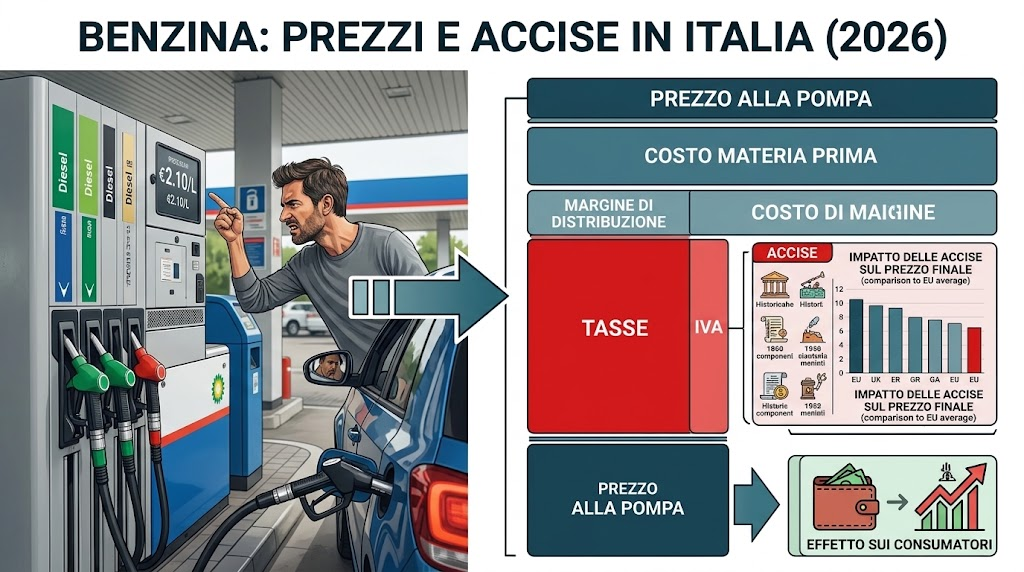
Search interest for "benzina" surged by more than 1,000% across Italian economic feeds following updated retail station data and an emergency Council of Ministers decree. With average pump prices climbing past the critical threshold of 2.00 euros per liter nationwide, government intervention has once again taken center stage to shield commercial logistics and consumers from escalating freight overhead.
The September Pump Spike and Government Decree Extension
According to fuel monitoring benchmarks published by the Ministry of the Environment and Energy Security (MASE), retail gasoline and diesel distributions experienced sharp weekly increases, testing seasonal highs across both urban hubs and highway arterial networks. In response, the Italian government finalized urgent decrees extending the 17-cent-per-liter discount on fuel excise duties alongside targeted tax credits for freight transportation operators.
While the fiscal maneuver provides a temporary buffer, commercial transport associations highlight that broader structural volatility—driven by international crude pricing and refinery output limits—continues to exert upward pressure on local pump stations, creating persistent operational headaches for retail distribution networks.
Key Factors Influencing Fuel Economics
The price shock reflects a confluence of fiscal and supply-side pressures across the Mediterranean corridor:
- Refining Margins and Upstream Volatility: Global crude benchmarks maintaining elevated spreads have widened the delta between raw oil barrels and refined retail fuels.
- Logistical Surcharges: Escalating distribution expenses for maritime tankers and road freight carriers compound consumer costs at individual service points.
- Fiscal Deadlines: Temporary excise duty reductions require recurrent legislative extensions, leaving fleet operators navigating uncertain planning horizons.
- Automated Station Pricing Telemetry: Public monitoring platforms and digital price transparency mandates allow consumers to compare real-time rates between self-service and serviced pumps.
Implications for Supply Chains and Consumer Margins
Sustained fuel price increases directly impact everyday household spending and commercial operations. Food distribution networks, public transit fleets, and industrial haulers face narrower operating margins, inevitably passing surcharges down through the supply chain.
To mitigate volatility, enterprise fleet operators are accelerating adoption of algorithmic route-optimization software and hybrid logistics infrastructure, minimizing idle time and curbing fuel consumption during regional transit runs.
Macro Fuel Metric:
Energy analysts estimate that every sustained 10-cent rise in retail fuel costs reduces annualized household discretionary spending by approximately 180 euros across Southern European economies.
What Lies Ahead for Energy Markets
The persistence of fuel price inflation highlights the delicate balance governments must strike between fiscal restraint and price stabilization subsidies. As global refining output remains tightly managed, short-term regulatory interventions will continue to dictate pump dynamics.
Related Reading: Discover how commercial distribution networks handle operating overhead in our breakdown of chain stores deploying edge AI and automated logistics, or explore market liquidity dynamics in our analysis of order flow microstructure and algorithmic price action.
TrendSpike Editorial Team
Staff Research & Technical AnalysisIndependent research covering distributed cloud systems, modern enterprise software engineering, and macro-financial policy. Our technical and financial analyses reference primary documentation, official regulatory filings, and benchmark architectures.